

Costa Blanca: sea, villages and Mediterranean life
A land bathed by the Mediterranean where fine sandy beaches coexist with inland villages, centuries-old orchards and a pace of life that invites you to stay.
What is the Costa Blanca
The Costa Blanca is the tourist name for the coastal strip of the province of Alicante, in southeastern Spain. It stretches from Dénia in the north to Pilar de la Horadada in the south, covering over two hundred kilometres of Mediterranean coastline bathed by warm waters for most of the year.
Its name evokes the white of its whitewashed houses, the intense light that bathes its villages and the appearance of its beaches. But the Costa Blanca is much more than sun and sand: it is a territory with a diverse landscape, an exceptional gastronomic pantry and a cultural heritage that spans from the Iberians to Valencian modernism.
Each area has its own personality. The north surprises with jagged coves and mountains that plunge into the sea. The centre combines large sandy beaches with urban life. The south offers dunes, salt flats and a more open horizon. And just a few kilometres from the sea, the interior unfolds valleys, almond trees and villages where time seems to have stood still.
Northern Costa Blanca: from Dénia to Altea
The far north of the Costa Blanca is probably its most spectacular stretch. Here the mountains lean over the sea forming cliffs, rocky coves and breathtaking viewpoints. Dénia, dominated by its castle, is the gateway and a first-rate gastronomic destination —declared a UNESCO Creative City of Gastronomy—. Its port is the departure point for the Balearic Islands and its old town retains the flavour of seafaring cities.
Very close by, Jávea unfolds between the Montgó massif and a coastline of turquoise-water coves such as Granadella or Portitxol. Its historic centre, with stone streets and whitewashed facades, maintains a calm pace that contrasts with the vitality of its fishing port and the expanse of Arenal beach.
Between the capes of La Nao and San Antonio, small towns like Benitachell, Moraira and Calpe complete this stretch. Moraira retains the air of an old fishing village, with a small port and family-friendly beaches. Calpe is impossible to imagine without the silhouette of the Peñón de Ifach, a 332-metre limestone rock that juts into the sea — a natural park and one of the symbols of the Costa Blanca. Altea closes this northern arc with its old town of cobbled, whitewashed streets, crowned by the blue dome of its church, and a peaceful atmosphere that attracts artists and craftspeople.
Central Costa Blanca: Benidorm, Alicante and the region
Benidorm is probably the most recognisable city on the Costa Blanca. Its skyline of skyscrapers facing two great beaches —Levante and Poniente— makes it a unique urban phenomenon in Europe. Beyond the stereotype, Benidorm offers impeccable tourist infrastructure and services, theme parks, vibrant nightlife and a particularly benign microclimate that attracts visitors all year round.
Very nearby, Villajoyosa displays its colourful houses facing the sea —a tradition dating back to fishermen, who painted their facades in the same colours as their boats to identify them from afar—. Its beaches are wide and its old town, small but full of character, deserves a leisurely stroll. It is also the birthplace of artisan chocolate in Spain: factories still operate today maintaining a centuries-old tradition.
Alicante, the provincial capital, combines an urban beach, history and a Mediterranean city rhythm that hooks you. Its Explanada, with its characteristic mosaic of colours, is one of the most emblematic seafront promenades in the Mediterranean. Santa Bárbara Castle, perched atop Mount Benacantil, dominates the city and offers panoramic views of the bay. The Santa Cruz neighbourhood, at its feet, is a labyrinth of narrow white streets, flower pots and small squares that invite you to get lost. South of the city, Santa Pola offers fine sandy beaches and salt flats that are a natural park and home to flamingos for much of the year.
Southern Costa Blanca: Guardamar, Torrevieja and the lagoons
The southern stretch of the Costa Blanca changes the landscape. The mountains retreat inland and the coastline opens into long golden sandy beaches and dunes that recall that this land was for centuries the frontier between the sea and the sandbanks. Guardamar del Segura is the best example: its pine forest, planted at the beginning of the 20th century to halt the advance of the dunes, is today a coastal forest shading some of the longest and most unspoilt beaches in the province.
Torrevieja is the largest city in the south, known for its two salt lagoons —one of them, the Pink Lagoon, offers a colour spectacle that changes with the daylight—. The city lives facing the sea, with a lively seafront promenade, a marina and a calendar of festivities that extends throughout the year. Just a few kilometres away, Orihuela Costa offers residential areas next to coves such as Cabo Roig or Punta Prima.
Beaches, coves and landscape
The Costa Blanca owes its name, in large part, to its beaches. There are over two hundred, spread across just over two hundred kilometres of coastline, offering a diversity hard to find in a single territory. Urban beaches such as El Postiguet in Alicante or Levante in Benidorm, with all services right on the sand. Hidden coves like Granadella in Jávea, surrounded by pines, or Racó del Conill in Villajoyosa, accessible only on foot. Unspoilt dunes like those of Guardamar. Small rocky beaches with crystal-clear waters in Altea and Moraira.
Many of them hold blue flag status and offer quality services: adapted access, beach bars, sunlounger hire and water sports. But it is also possible to find, even in the height of August, a quiet corner where the only sound is the water.
The landscape does not end at the beach. The interior hides gems such as the Guadalest valley —a turquoise reservoir crowned by an 11th-century castle—, the Aitana and Mariola mountain ranges, the palm groves of Elche —a UNESCO World Heritage site— or the salt flats of Santa Pola and Torrevieja, where flamingos find refuge.
Villages, culture and heritage
Beyond the cities and beaches, the Costa Blanca is a mosaic of villages that retain the Mediterranean essence. Altea, with its whitewashed streets, artisan workshops and blue-domed church, is probably the most photographed. But there are many others worth a visit: Guadalest, perched on the rock; Villajoyosa and its colourful facades; the old town of Jávea; the medieval streets of Dénia.
The interior holds surprises such as Elche, with its Palm Grove —the largest in Europe— and the Misteri d'Elx, a sacred-lyrical drama that is an Oral and Intangible Heritage of Humanity. Novelda, with its modernist sanctuary of Santa María Magdalena. Bocairent, in the Sierra Mariola, with its caves dug into the rock. Iberian culture left one of its masterpieces here: the Lady of Elche, whose original bust is preserved in the National Archaeological Museum, but whose legacy permeates the entire province.
The festive calendar is intense: the Bonfires of San Juan in Alicante, the Moors and Christians festivals in fifty municipalities, the Maritime Holy Week... Almost every week of the year there is a village celebrating something, and visitors are always welcome.
Mediterranean gastronomy
The cuisine of the Costa Blanca is a reflection of its geography: products from the sea, the market garden and the mountains combine in recipes passed down from generation to generation. Rice is the undisputed star: paella, arroz a banda, black rice, arroz con costra or creamy rice with lobster are some of the dishes that define the Alicante table.
From the sea come the red prawn of Dénia, dried octopus, squid, cuttlefish, sardines grilled on the beach. From the garden, tomatoes, artichokes, broad beans, peppers. From the interior, cured meats, cheeses, honey. And wrapping it all, extra virgin olive oil, produced here in modest quantities but with exceptional quality.
Pastries have their own name: turrones and ice creams from Jijona and Alicante, aniseed rolls, toñas, sweet potato pastries. And to drink, the wines of the Alicante Designation of Origin —especially the reds from the Marina area and the fondillones, unique rancio wines—, tiger nut horchata or the classic coffee liqueur.
When to travel
The Costa Blanca enjoys a Mediterranean climate with more than three hundred days of sunshine a year and mild temperatures in winter, making it a year-round destination. However, each season has its own character and it is worth choosing according to what you are looking for.
Summer, from June to September, is the high season. Long days, warm water, all the terraces open and a vibrant atmosphere. Temperatures regularly exceed thirty degrees, but the sea breeze softens the central hours of the day. It is the best time for those looking for beach life, nightlife and energy.
Spring and autumn are, for many, the ideal times. Temperatures are mild —between eighteen and twenty-five degrees—, the light is especially beautiful and natural spaces are at their best. There are fewer people and accommodation prices tend to be more contained. It is the perfect time to walk trails, visit villages and eat on terraces without crowds.
Winter is surprisingly mild. Highs hover around sixteen or eighteen degrees and sunny days are frequent, although the nights cool down. Many travellers from northern Europe choose the Costa Blanca to spend the winter months, and the leisure, culture and gastronomy offering remains active all year round.
Getting around
Alicante-Elche Airport (ALC) is the main gateway. It is located just nine kilometres southwest of the city of Alicante and offers direct connections with practically all European capitals, especially during high season. Valencia Airport (VLC), about one hundred kilometres north of Dénia, is a valid alternative for the northern Costa Blanca area.
To get around the Costa Blanca, a hire car is the most practical option if you want to explore coves, inland villages and different areas. The AP-7 motorway runs along the entire coast from north to south and is well connected to all the main towns. There is also a free alternative, the N-332, which follows the same route though with more traffic and urban crossings.
The commuter train connects Alicante with Murcia to the south and Dénia to the north —this latter line, known as the TRAM, is a train-tram that runs along much of the northern coastline with stops in El Campello, Villajoyosa, Benidorm, Altea and Calpe, among others—. It is a comfortable and economical alternative for coastal journeys, although it does not reach all municipalities.
Public road transport, with intercity buses, connects most towns, although frequencies may be limited in smaller municipalities.
Discover each destination
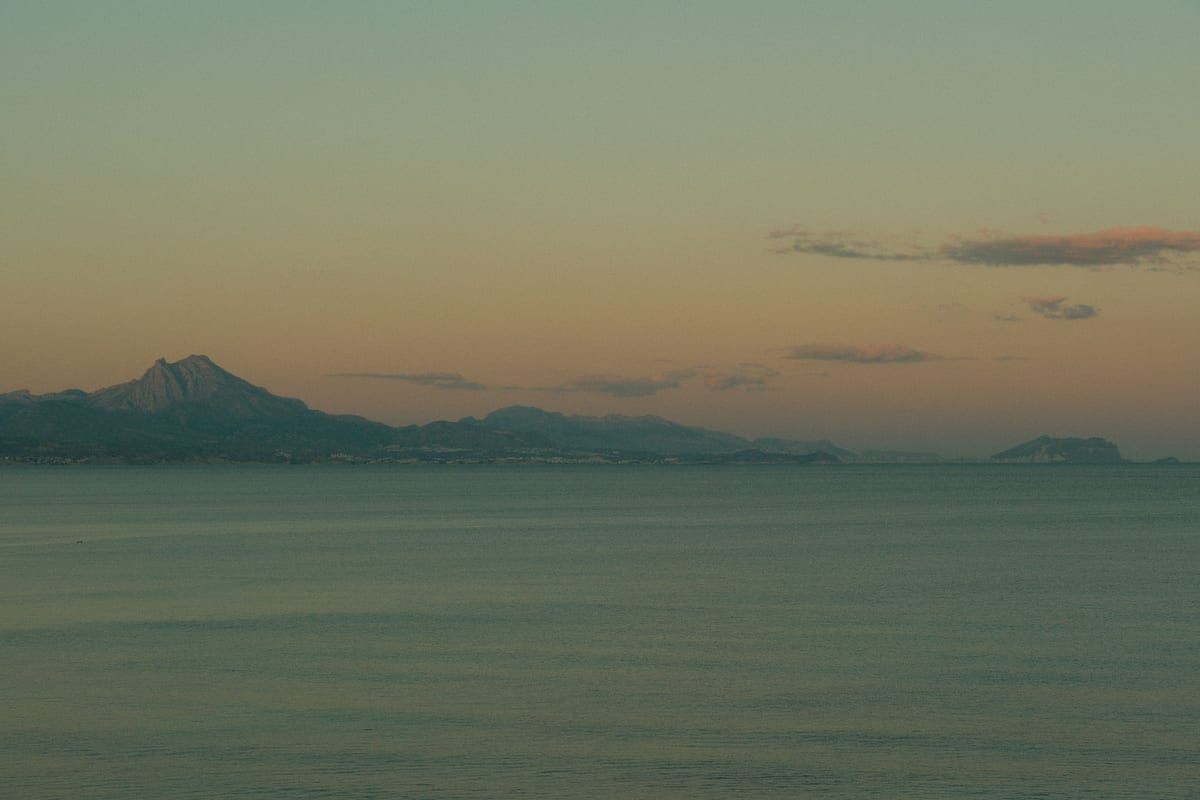
Alicante
Mediterranean capital with an urban beach, a castle and a cultural life that never stops.
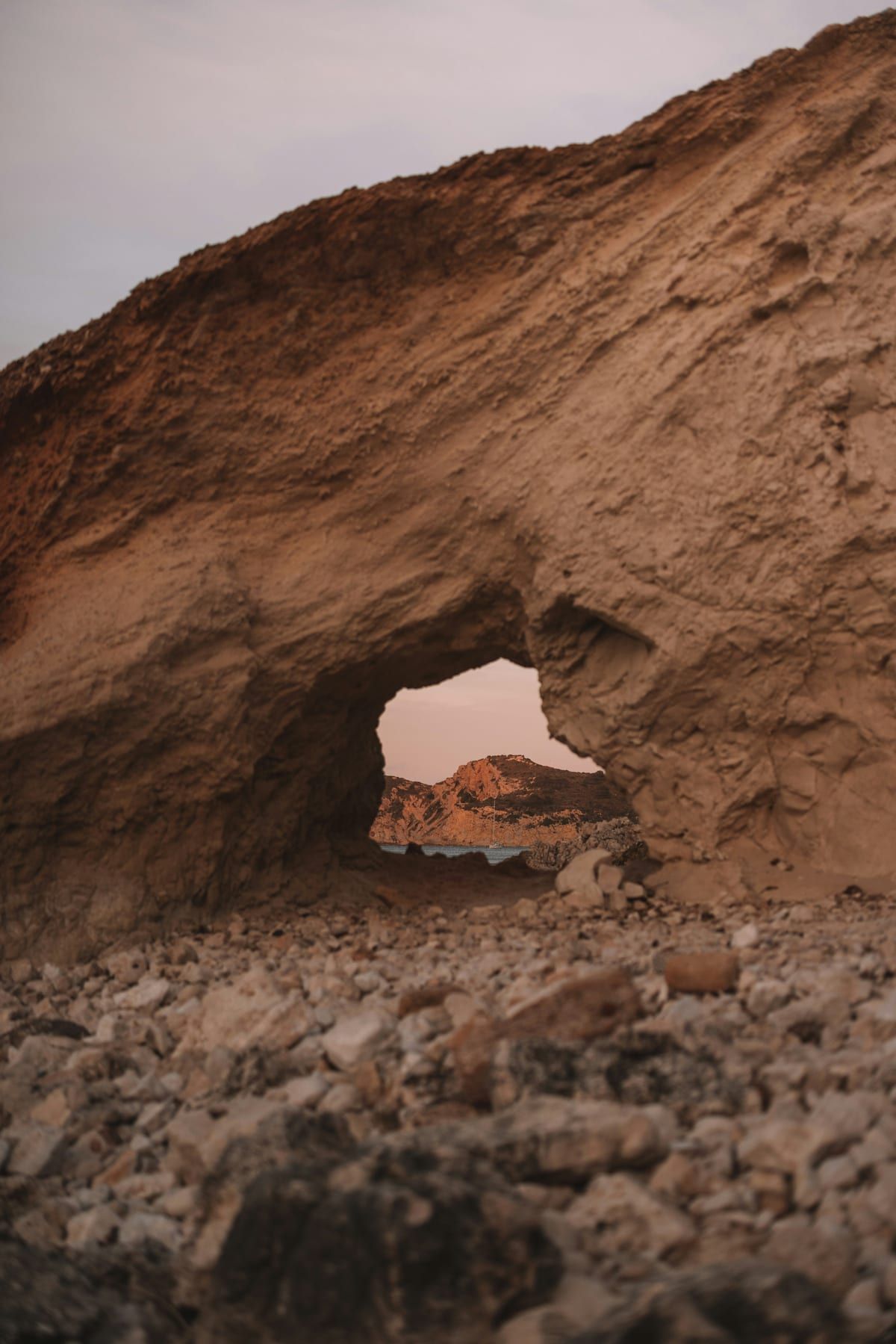
Jávea
Turquoise coves among pines, the Montgó as a backdrop and a historic centre with soul.
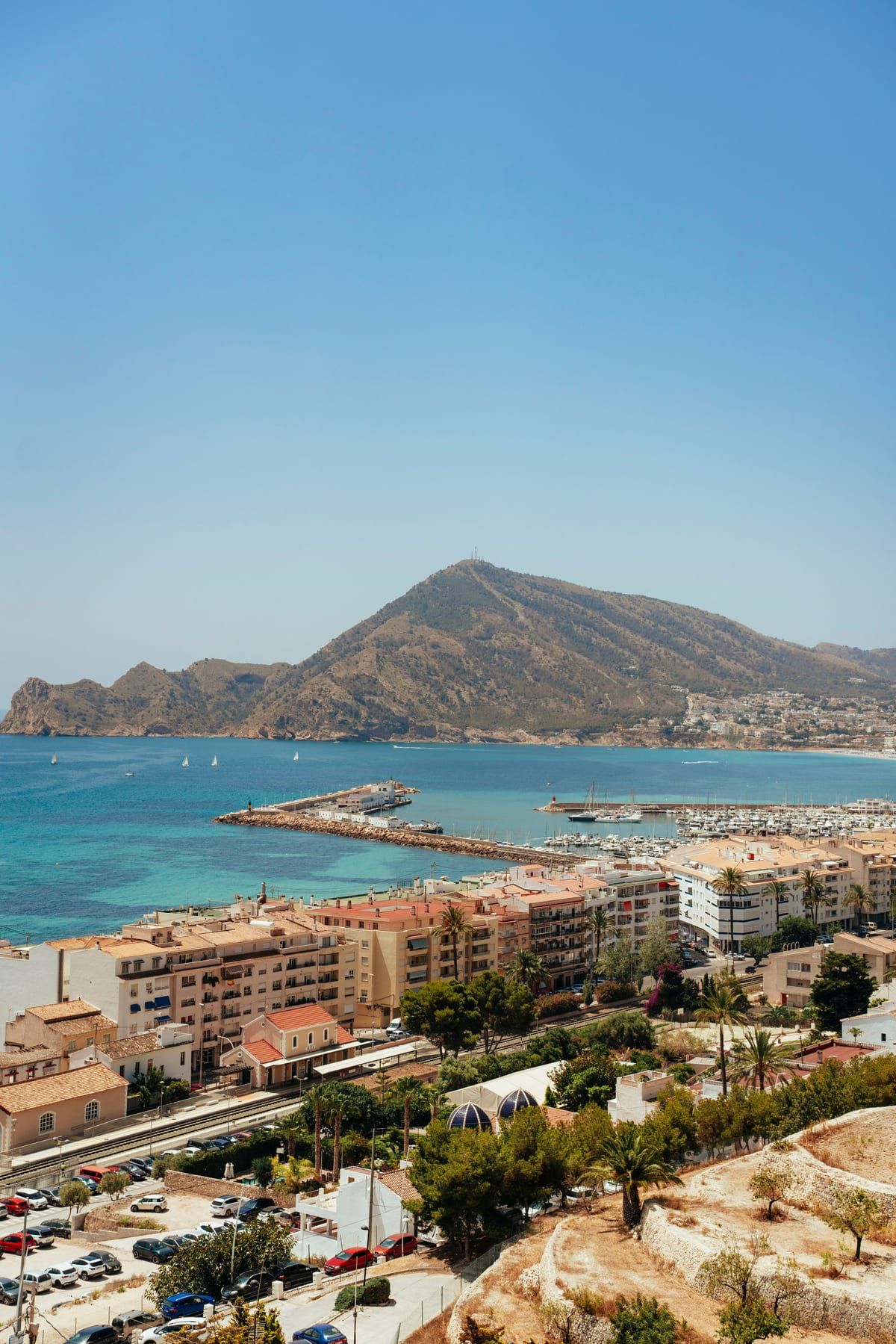
Altea
Cobbled white streets, art in every corner and breathtaking sunsets.
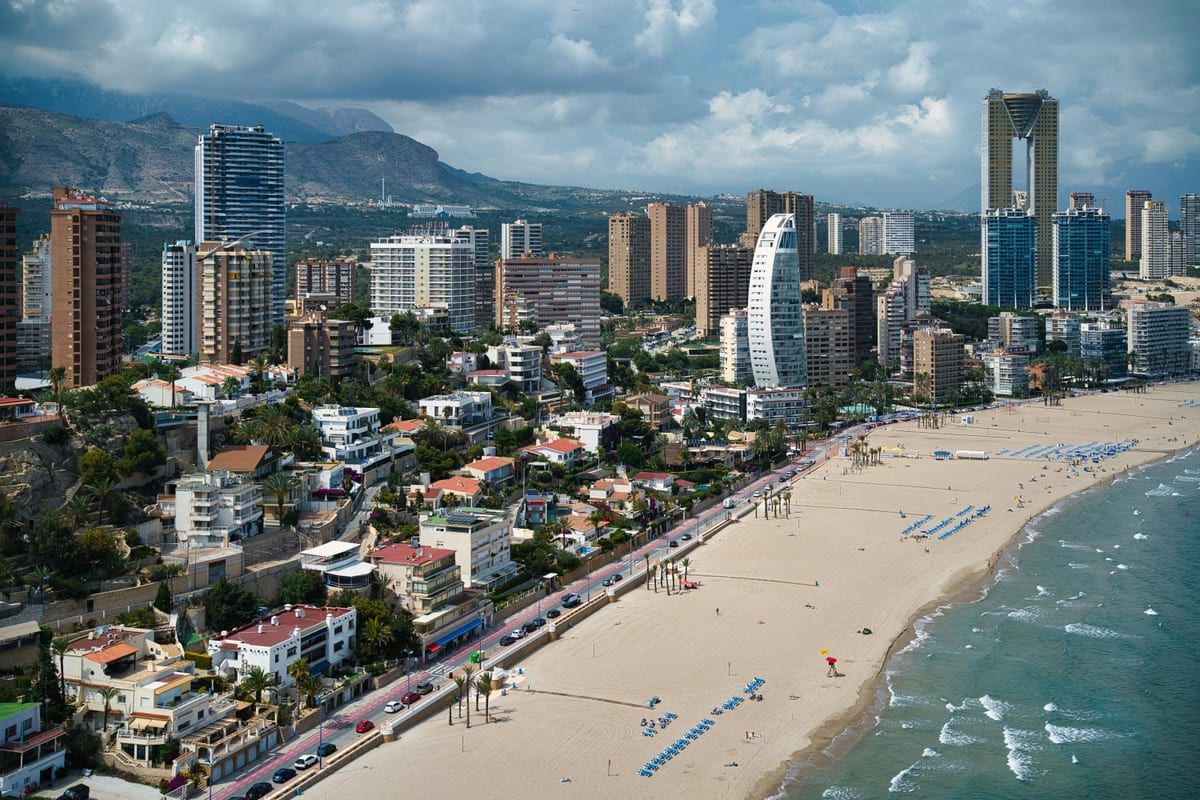
Benidorm
Endless beaches, leisure for all tastes and a microclimate that extends the summer.